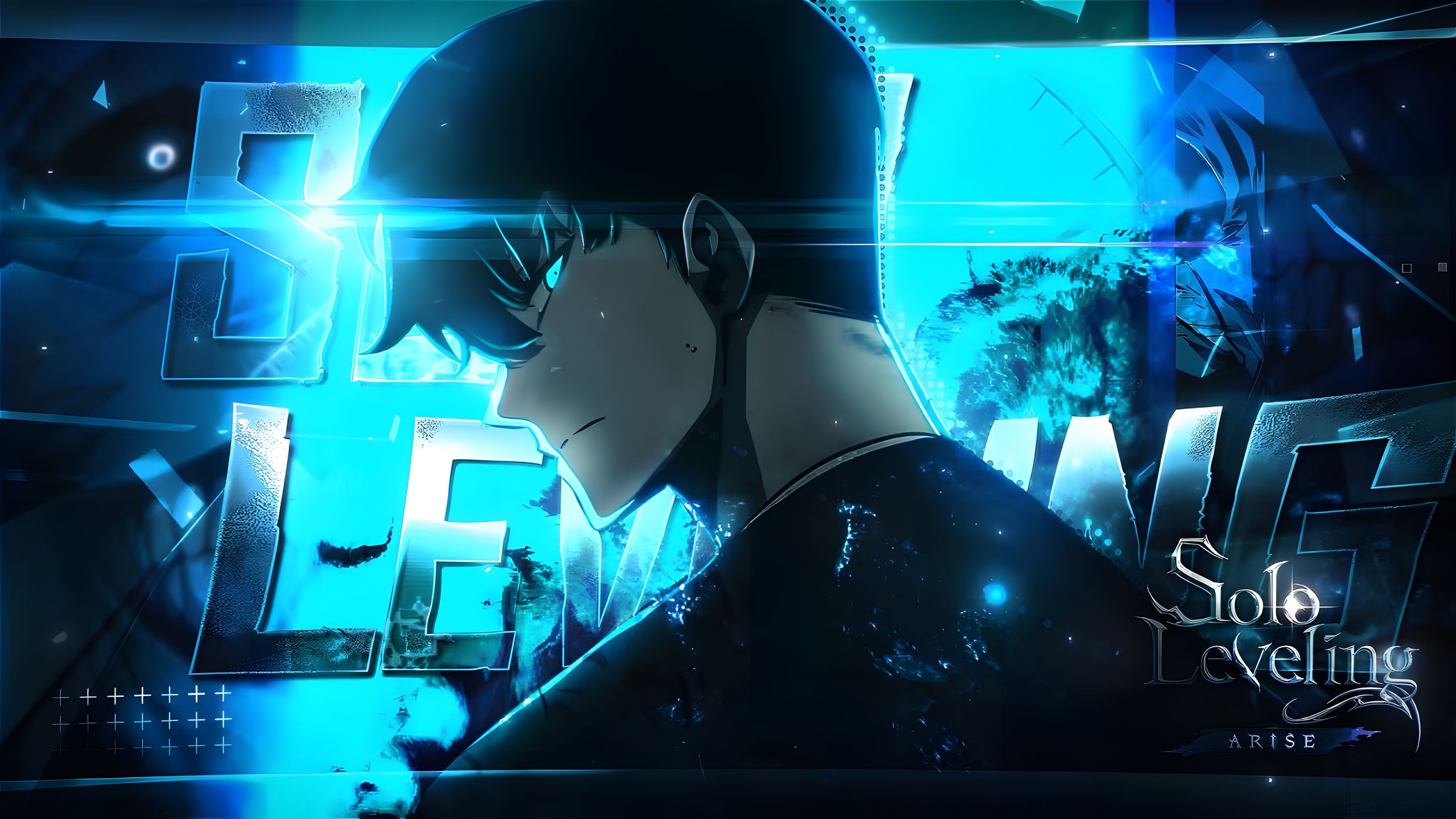
















Solo Leveling: Arise is more than just another mobile action RPG capitalizing on a beloved IP. It is a meticulously crafted endeavor to translate the visceral thrill and power fantasy of the Solo Leveling webcomic and anime into an interactive experience. At the heart of this translation lies a combat system that demands more than just button-mashing; it requires timing, strategy, and a deep understanding of its mechanics. While the core gameplay of dodging, basic attacks, and skill usage is solid, it is the Overdrive Gauge that truly separates the novice Hunters from the future Monarch. This system is not merely a “super mode”—it is the core strategic loop, the dramatic climax of every encounter, and the ultimate expression of Sung Jinwoo’s burgeoning power.
The Heart of the Battle: Understanding the Overdrive Gauge
Visually, the Overdrive Gauge is an ever-present crescent meter encircling your character portrait. It is filled not by dealing damage in a generic sense, but through the precise and skillful execution of core combat tenets. This design philosophy immediately elevates the gameplay from mindless aggression to calculated artistry.
The primary ways to fill the Overdrive Gauge are:
- Perfect Dodges: The most rewarding method. By evading an enemy attack at the very last moment, triggering a flash of blue light and a slowdown effect, you are granted a massive chunk of Overdrive charge. This mechanic brilliantly incentivizes high-risk, high-reward play. Instead of retreating to a safe distance, players are encouraged to stay dangerously close to their foes, reading their attack patterns and dancing on the edge of annihilation. A successful Perfect Dodge doesn’t just save your health; it actively builds your win condition.
- Break Gauge Depletion: Enemies, particularly bosses and elite monsters, possess a white Break Gauge beneath their health bar. This gauge is depleted by using specific “Break” skills. When the Break Gauge is fully emptied, the enemy is stunned, left vulnerable to a powerful “Break” finisher. Successfully executing this sequence not only opens the enemy up for massive damage but also provides a significant boost to your Overdrive Gauge. This creates a compelling secondary objective in every major fight: you are not just trying to kill the enemy, but to systematically break their defenses to fuel your own ultimate attack.
- Skill Usage and Basic Attacks: While less potent than the previous two methods, using your standard skills and landing basic attack combos also contributes to the gauge. This ensures a steady, if slower, progression for players who are still mastering the timing for Perfect Dodges and Break mechanics.
The process of filling the gauge is a mini-game in itself. It tests your spatial awareness, your knowledge of enemy tells, and your ability to prioritize targets. Do you focus on the boss to trigger a Break, or do you use the adds for easier Perfect Dodge opportunities? This constant decision-making keeps every battle dynamic and engaging.
The Moment of Ascension: Entering Overdrive
When the crescent meter finally glows fully and pulses with energy, a prompt appears on screen. Activating it triggers a transformation sequence—a brief, cinematic moment where Sung Jinwoo unleashes his suppressed power. The screen may darken, his eyes might glow with an ethereal light, and the ambient sound often drops away, replaced by the thrum of immense power. This auditory and visual shift is crucial; it signals a fundamental change in the state of play.
Upon activation, the Overdrive state grants a suite of powerful, temporary buffs:
- Significant Damage Increase: All attacks, from basic swings to ultimate skills, deal substantially more damage.
- Cooldown Reset and Acceleration: All skill cooldowns are instantly reset, and they recharge at a dramatically accelerated rate for the duration.
- Enhanced Defense or Super Armor: Some interpretations of the system grant either massively increased defense or complete super armor, preventing your attacks from being interrupted by enemy strikes.
- Unlimited Mana/MP: You can spam your most powerful skills without a second thought for resource management.
This combination transforms your Hunter from a strategic combatant into a whirlwind of destruction. The gameplay during Overdrive shifts from careful timing to controlled, explosive chaos. The goal is no longer survival; it is maximum output. You are unleashed.
Beyond the Buff: The Strategic Soul of Overdrive
However, to view Overdrive as a simple “damage button” is to miss its profound strategic depth. The true mastery of the system lies not in its activation, but in its timing and its ultimate conclusion.
Timing is Everything: Populating Overdrive the moment it’s available is often a suboptimal choice. The strategic player saves it for critical moments. Is the boss about to enter a dangerous, arena-wide attack phase? Overdrive can be used to Break them out of it instantly. Has a powerful, adds-spawning phase just begun? Overdrive allows you to clear the field before the situation becomes overwhelming. Did you just deplete the Break Gauge on the final boss? Activating Overdrive before launching the Break attack ensures that the single most powerful strike in your arsenal is amplified to its absolute maximum potential. Overdrive is your ultimate “turn the tide” card, and knowing when to play it is the mark of a true Shadow Monarch.
The Grand Finale: Execution Arts
The pinnacle of the Overdrive system is its climax: the Execution Art. As the Overdrive timer counts down, a new prompt appears. Successfully triggering it concludes the Overdrive state with a devastating, cinematic finishing move. These Execution Arts are not just flashy animations; they are often the most powerful single attacks in your arsenal.
The strategic implication is brilliant. The entire combat loop builds towards this moment. You spend the first part of the fight building your Overdrive Gauge through skillful play. You then activate it to unleash a torrent of damage and control the flow of battle. Finally, you cap it off with an Execution Art, aiming to either eliminate a high-priority target or inflict a catastrophic amount of damage on a boss’s health bar.
This creates a satisfying and rhythmic combat flow: Build -> Unleash -> Execute. It gives every encounter a clear narrative arc, mirroring the pacing of the source material where Sung Jinwoo often endures a struggle before overwhelming his foe with newfound power.
A System That Mirrors the Narrative
The Overdrive system is a masterclass in ludonarrative harmony—the concept that a game’s mechanics should reflect its story. In Solo Leveling, Sung Jinwoo’s power is defined by his ability to push past his limits, to “level up” in the midst of battle, and to unleash power that shocks both his allies and enemies. The Overdrive system is the perfect interactive representation of this.
The process of filling the gauge through Perfect Dodges and Breaks mirrors Jinwoo’s early struggles, where he had to rely on wits and precision to survive against stronger foes. The activation of Overdrive is his moment of breakthrough, the “Arise” command made manifest. The uncontrolled power and the culminating Execution Art are the visceral proof of his growth, a spectacle that leaves digital rubble in its wake, much like the aftermath of his battles in the dungeons.
Furthermore, the system scales beautifully with player progression. As you unlock new Hunters, each with their own unique skills, Break types, and—most importantly—their own distinct Overdrive animations and Execution Arts, the system feels fresh and rewarding. Learning a new character means learning how to most efficiently build and exploit their Overdrive state.
Conclusion: The Defining Feature
In a genre saturated with flashy combat and super moves, Solo Leveling: Arise’s Overdrive system stands out by being deeply integrated into every aspect of gameplay. It is not a separate power; it is the reward for engaging with the game’s core mechanics at the highest level. It incentivizes aggression, precision, and strategic thinking. It provides a spectacular power fantasy that stays true to the spirit of the IP while offering a deep and rewarding mechanical challenge.
The Overdrive Gauge is more than just a meter on the screen; it is the pulse of the battle. Its slow fill is the tension, its activation is the release, and its Execution Art is the exclamation point at the end of a hard-fought victory. For any player seeking to truly master Solo Leveling: Arise, understanding and dominating the Overdrive system is not an option—it is the first, and most important, quest.